Child → Teen
Puberty Lab
Understand the changes. Build the foundations.
Body literacy, healthy habits, emotions and the confidence to ask questions.
Explore everyday routines, practise naming feelings and learn how to ask a trusted adult for help.
A NanoSkool initiative / In developmentThe Transition-to-Adulthood Lab
Growing up is more than a change in age.
It is learning how to understand yourself, relate to others and find your place in the world. Puberty Lab is a proposed school-based platform that makes room for that journey.

01 / Becoming, not competing
From childhood into adulthood, the aim is greater understanding, agency and contribution—not a race to mature or a single definition of success.
01 / Understand
02 / Relate
03 / Contribute
02 / A school is more than a classroom
Reimagine the school as a supportive developmental ecosystem.
Puberty Lab brings discovery, practical learning and guided conversation into the transition to adulthood. Its proposed scope follows learners roughly aged 10–25, with different content and settings for each stage. Support beyond school would continue through age-appropriate youth and adult pathways.
This is an educational platform in development, not a clinic, diagnostic tool or replacement for medical or mental-health care. Specialist needs belong with appropriately qualified professionals.
03 / Three connected pathways
Each pathway meets a different developmental moment. The transition is personal: age alone does not determine readiness, identity or potential.
Child → Teen
Body literacy, healthy habits, emotions and the confidence to ask questions.
Explore everyday routines, practise naming feelings and learn how to ask a trusted adult for help.
Teen → Young Adult
Communication, relationships, consent, leadership, financial and AI literacy, wellbeing and identity.
Practise respectful boundaries, work through a disagreement and explore decisions through group projects.
Young Adult → Humanity Builder
Purpose, career, entrepreneurship, relationships, citizenship and leadership.
Explore a career question, shape a community initiative and reflect on the contribution you want to make.
04 / Ten dimensions of development
Body, mind, habits and relationships connect. Identity runs through them; purpose gives them direction. These are learning areas, not categories for ranking a person.
Puberty, growth, body changes and reproductive health literacy.
Self-awareness, thinking patterns and resilience.
Recognising emotions, expressing feelings and knowing when to seek support.
Fitness, movement, posture and understanding your body’s capabilities.
Friendship, communication, conflict resolution and social connection.
Age-appropriate education about consent, boundaries, relationships and reproductive health.
Personal care, skin, dental and menstrual hygiene.
Food literacy, everyday eating habits and practical cooking skills.
Understanding sleep, routines and recovery.
Values, meaning, ethics, identity and contribution—respecting different beliefs.

05 / Human Development Portfolio
A proposed space for reflection, learning experiences and self-chosen next steps. It should help a learner notice change over time without reducing their life to a dashboard score.
An experience
A reflection
A next step
Example learning reflections—not a real learner’s record or a functioning assessment.
With appropriate consent, limited data and human oversight, future tools could help learners notice patterns in routines, movement, learning and self-chosen goals.
Sexuality and mental health must not become school scores or automated labels. There is no universal “adulthood rating”—and no reason to collect intimate information simply because technology can.
06 / Principles before technology
These are requirements for the proposed platform, not claims about a deployed system. Consent, safeguarding, access controls and professional oversight must be established before any sensitive feature launches.
Explain what is collected, why and who can see it. Design age-appropriate consent and assent processes, including guardian involvement where required.
Collect only what is necessary. Intimate disclosures should never be a condition of participating in learning activities.
Keep sensitive personal information separate from academic assessment. School participation must not automatically expose a learner’s intimate data to staff.
Qualified human professionals, clear referral routes and safeguarding processes must guide sensitive support. Explain confidentiality and its safety-related limits.
07 / Many doors. A fuller life.
Puberty Lab adds the personal-development dimension to NanoSkool’s wider learning ecosystem: how I grow, relate and become.
Questions worth asking
No. It is a proposed educational and developmental platform. It does not offer diagnosis or treatment. Medical and mental-health needs require qualified professional care.
No. Content, discussion formats and adult involvement must be adapted to developmental stage. Younger learners and adults should not share one undifferentiated curriculum.
School involvement should not grant automatic access to intimate information. The proposed design requires minimal collection, explicit access rules, informed consent and clear explanations of safeguarding exceptions.
The platform is in development. Schools can contact NanoSkool to discuss interest, scope and possible next steps. Availability, staffing and participation terms are not yet confirmed.
From child to adult. From possibility to contribution.
Help shape a thoughtful, age-appropriate approach to growing up in your school community.
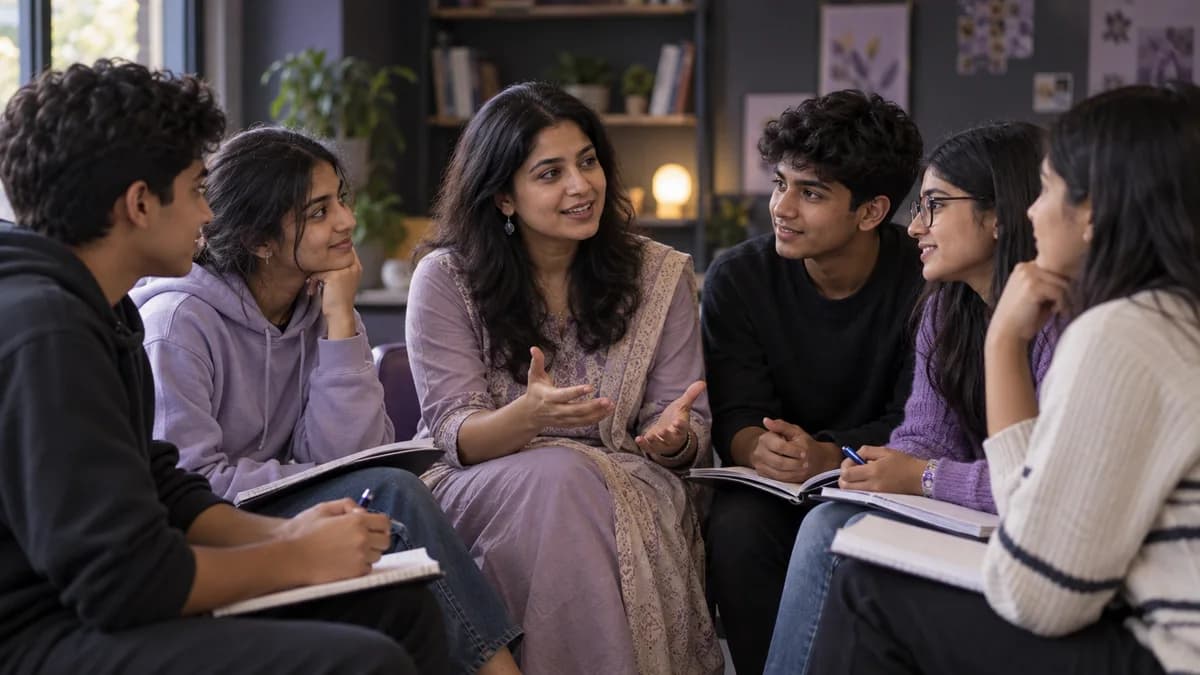
Start a conversation ↗Programme concept in development. The photograph is an AI-generated illustration. This page provides no health assessment and collects no portfolio information.